
Tips for Creating a Sustainable and Eco-Friendly Home Environment
Creating a sustainable and eco-friendly home environment is a rewarding way to reduce your carbon footprint while enjoying a healthier living space. Whether you live in a small apartment or a large house, adopting green habits can make a significant difference. This guide offers practical tips to help you create a home that supports both the planet and your lifestyle.
Understanding Sustainability at Home
Sustainability means meeting your current needs without compromising the ability of future generations to meet theirs. In the context of your home, this involves using resources wisely and minimizing waste and pollution.
By focusing on energy efficiency, water conservation, waste reduction, and choosing eco-friendly materials, you can build a home that aligns with sustainable principles.
Energy Efficiency: Powering Your Home Responsibly
1. Use Energy-Efficient Appliances
Energy-efficient appliances consume less electricity, helping to lower your energy bills and environmental impact. Look for products with the ENERGY STAR label or similar certifications indicating high efficiency.
2. Upgrade to LED Lighting
Replace traditional incandescent bulbs with LED lights. LEDs use up to 85% less energy and last much longer, reducing both energy consumption and waste.
3. Improve Insulation
Good insulation keeps your home warm in winter and cool in summer, lessening the need for heating and air conditioning. Check windows, doors, walls, and your attic for drafts and seal any gaps.
4. Use Smart Thermostats
Smart thermostats learn your schedule and adjust temperature settings to save energy when you’re away or sleeping. This convenience also helps lower overall energy use.
Water Conservation: Using Every Drop Wisely
1. Install Water-Saving Fixtures
Low-flow showerheads, faucets, and dual-flush toilets significantly reduce water consumption without compromising comfort.
2. Collect Rainwater
Set up rain barrels or a rainwater harvesting system to collect natural water for gardening, cleaning, or flushing toilets.
3. Fix Leaks Promptly
A small drip can waste hundreds of gallons per year. Regularly check for leaks and repair them quickly to conserve water.
Waste Reduction and Recycling
1. Reduce Single-Use Plastics
Minimise disposable items such as plastic bags and bottles. Opt for reusable alternatives like cloth bags, stainless steel water bottles, and glass containers.
2. Compost Organic Waste
Composting food scraps and yard waste reduces landfill contributions and provides rich soil for your garden.
3. Recycle Properly
Understand your local recycling guidelines to ensure materials like paper, glass, and metals are sorted correctly, keeping recyclables out of the trash.
Choosing Sustainable Materials and Furnishing
1. Opt for Natural and Recycled Materials
When renovating or decorating, choose sustainable materials like bamboo, reclaimed wood, or recycled metal. These options reduce the demand for virgin resources.
2. Select Non-Toxic Paints and Finishes
Many paints and finishes release harmful volatile organic compounds (VOCs). Choose low-VOC or zero-VOC options to improve indoor air quality.
3. Buy Secondhand or Fair-Trade Furniture
Look for quality secondhand furniture or fair-trade certified products that support ethical practices and reduce waste.
Indoor Plants for a Healthier, Greener Home
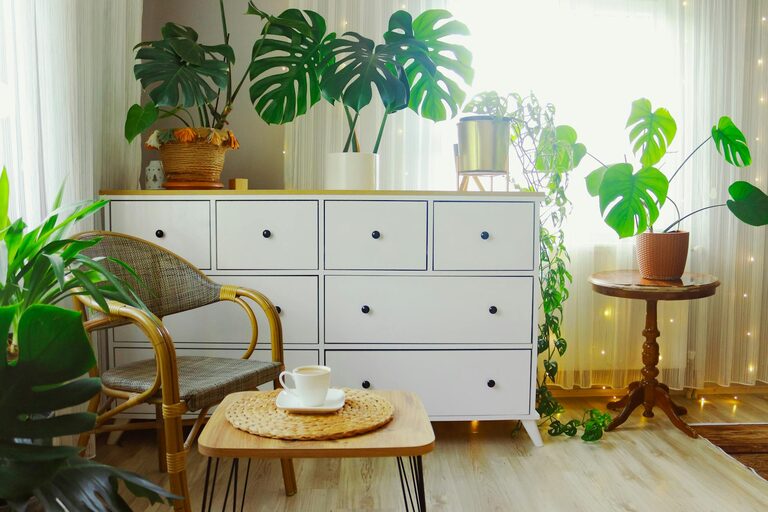
Adding indoor plants improves air quality, boosts mood, and adds natural beauty. Some plants are particularly effective at filtering toxins and require minimal care, such as spider plants and pothos.
Sustainable Habits to Adopt Daily
– Turn off lights and unplug devices when not in use.
– Air dry laundry when possible instead of using a dryer.
– Use reusable cleaning cloths and non-toxic cleaners.
– Support local and seasonal food to reduce food miles and packaging waste.
– Encourage family members to participate in sustainable practices to foster shared responsibility.
Conclusion
Creating a sustainable and eco-friendly home environment is an ongoing journey that combines smart choices and simple changes. By focusing on energy efficiency, water conservation, waste reduction, and selecting sustainable materials, you can contribute positively to the planet’s future. Start with one or two changes today and build from there—every effort counts!
Your home can be a place where comfort and care for the environment go hand in hand. Enjoy making your space greener, healthier, and more sustainable!
